
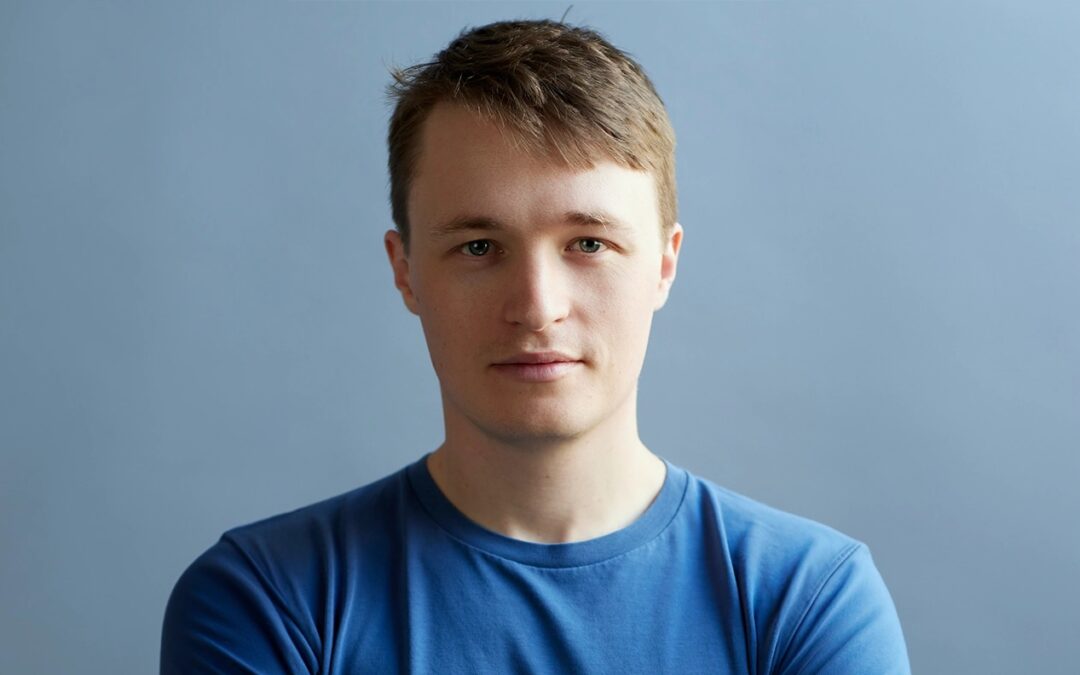
In “Brain Preservation as Existential Risk Reduction,” neuroscientist Ariel Zeleznikow-Johnston, author of The Future Loves You: How And Why We Should Abolish Death, proposes cryonics or structural brain preservation as a hedge against both ordinary death and a reckless race toward superintelligent AI.
If dying people had a plausible bridge to future medicine, Zeleznikow-Johnston argues, society would feel less pressure to accelerate dangerous AI development in pursuit of immediate cures. He cites surveys in which neuroscientists gave a median 40% probability that memories could persist in a well-preserved brain, while doctors assigned a median 25% chance of eventual revival.
His essay is speculative commentary, not a research result, but it is an unusually original attempt to connect cryonics with current AI-safety debates, and presents an unusual take on cryonics, which is sometimes portrayed as a reckless plunge into the future. On the contrary, argues Zeleznikow-Johnston: cryonics may actually be a way of slowing a reckless, potentially dangerous acceleration into potentially deadly scenarios of things to come.
Click here to read Zeleznikow-Johnston’s Preserving Hope essay